
Plumbing at home rarely gives you much warning. One evening the kitchen sink drains a little slower, the next morning it does not drain at all. In a UAE apartment or villa, where water pressure is high and buildings are stacked close together, a small leak on the fifth floor can become a wet ceiling on the fourth in under an hour. Knowing when to reach for a plunger yourself and when to phone a licensed plumber is the difference between a quick fix and a claim on your building insurance.
This guide walks through the everyday situations UAE residents actually meet: blocked toilets and sinks, sewer smells creeping up from the drain, scheduled replacements of taps and pipes, and the emergencies where you need someone on site within the hour. It is written for tenants and owners in Dubai, Abu Dhabi and the northern emirates, so the advice sits inside the local reality of chiller water systems, hard tap water and strict building management rules.
Everyday blockages
Clogged toilets, sinks and shower drains
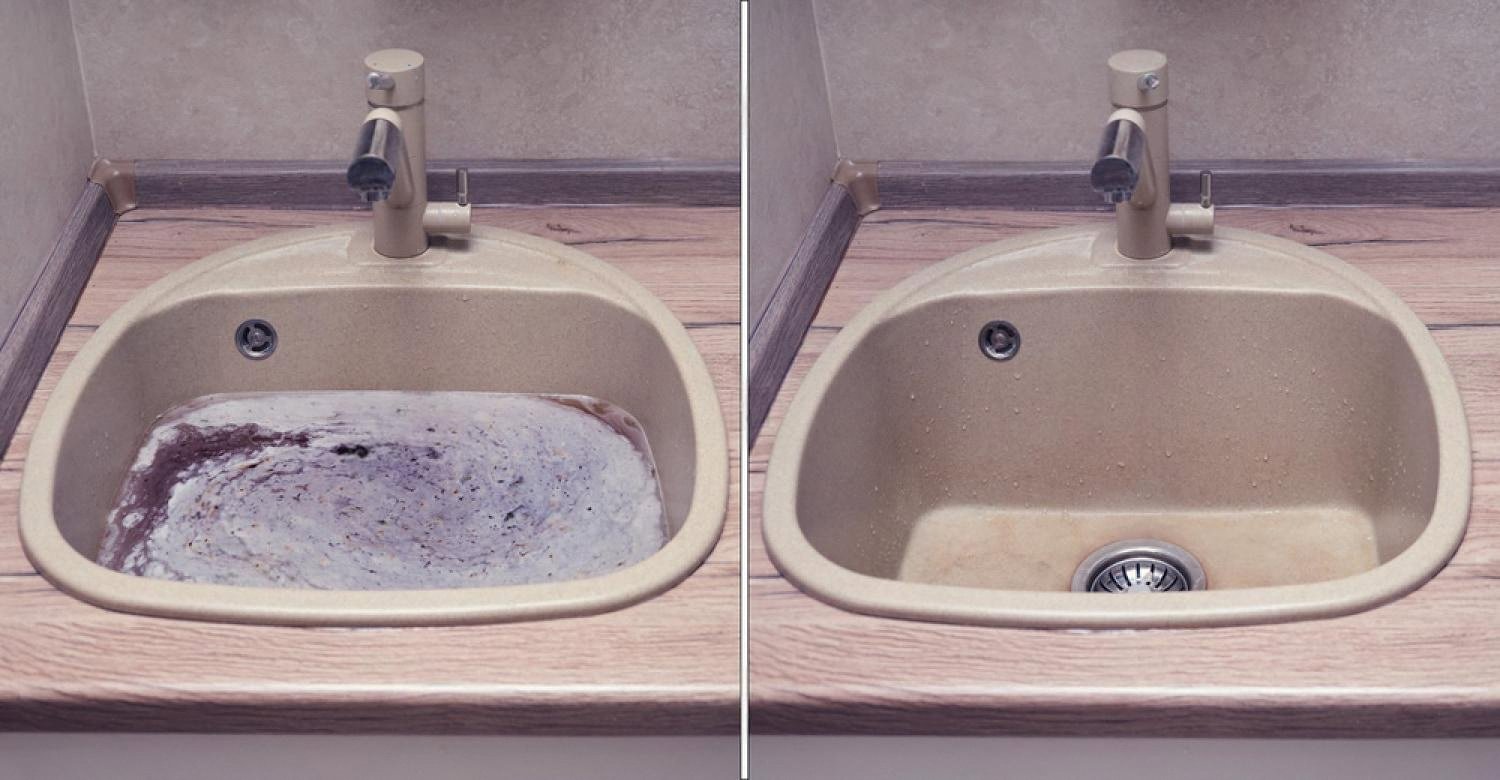
The most common reason people call a plumber is a drain that has stopped moving. A slow kitchen sink usually means grease and food residue have narrowed the trap. A slow shower drain is almost always hair mixed with soap scum. A toilet that rises when you flush is the loudest of the three and the one you should never ignore, because the next flush can push waste onto the bathroom floor.
You can try a few things before picking up the phone:
- Use a cup plunger on sinks and a flange plunger on toilets. They are not interchangeable.
- Pour a kettle of hot (not boiling) water down a greasy kitchen drain.
- Remove the visible hair clump from the shower strainer by hand.
- Avoid supermarket drain acids in older UAE buildings, they can eat through thin PVC joints.
If two rounds of plunging change nothing, or if more than one fixture is backing up at the same time, the blockage sits deeper in the stack and you need a plumber with a proper drain snake or a hydro-jet.
Warning signs
Sewer smells, damp patches and slow leaks
A sudden smell of sewage in the bathroom or under the kitchen sink is not something to mask with air freshener. It usually means one of three things: a dried-out floor trap (common in guest bathrooms that go unused for weeks in the summer), a cracked seal on the toilet base, or a vent problem in the building stack. Pouring a jug of water into every floor drain solves the first case in about ten seconds. If the smell returns within a day, it is time for a professional look.
Damp patches deserve the same seriousness. A soft skirting board, a rust ring around a pipe collar, or a paint bubble on the ceiling all point to water moving where it should not. In the UAE, humidity alone rarely causes those signs indoors, chilled air-conditioning keeps interior walls dry. If you see damp, water is the reason.
Booking a plumber early is far cheaper than repairing gypsum board and repainting a ceiling. Many residents fold plumbing checks into a wider home maintenance plan in Dubai which catches slow leaks during the annual AC service before they become insurance claims.
Planned work
Scheduled replacements: taps, pipes and water heaters
Not every plumber visit is an emergency. Some of the most valuable calls are the ones you plan on your own schedule. Tap cartridges wear out roughly every four to six years in UAE homes because the local water is hard and the minerals grind at the ceramic disc. A dripping tap wastes water and drives up your DEWA or SEWA bill quietly month after month.
- Mixer taps and shower valvesreplace when they drip, stick, or the temperature swings.
- Flexible hoses under sinks, swap every 5 to 7 years, they are the number one cause of overnight floods.
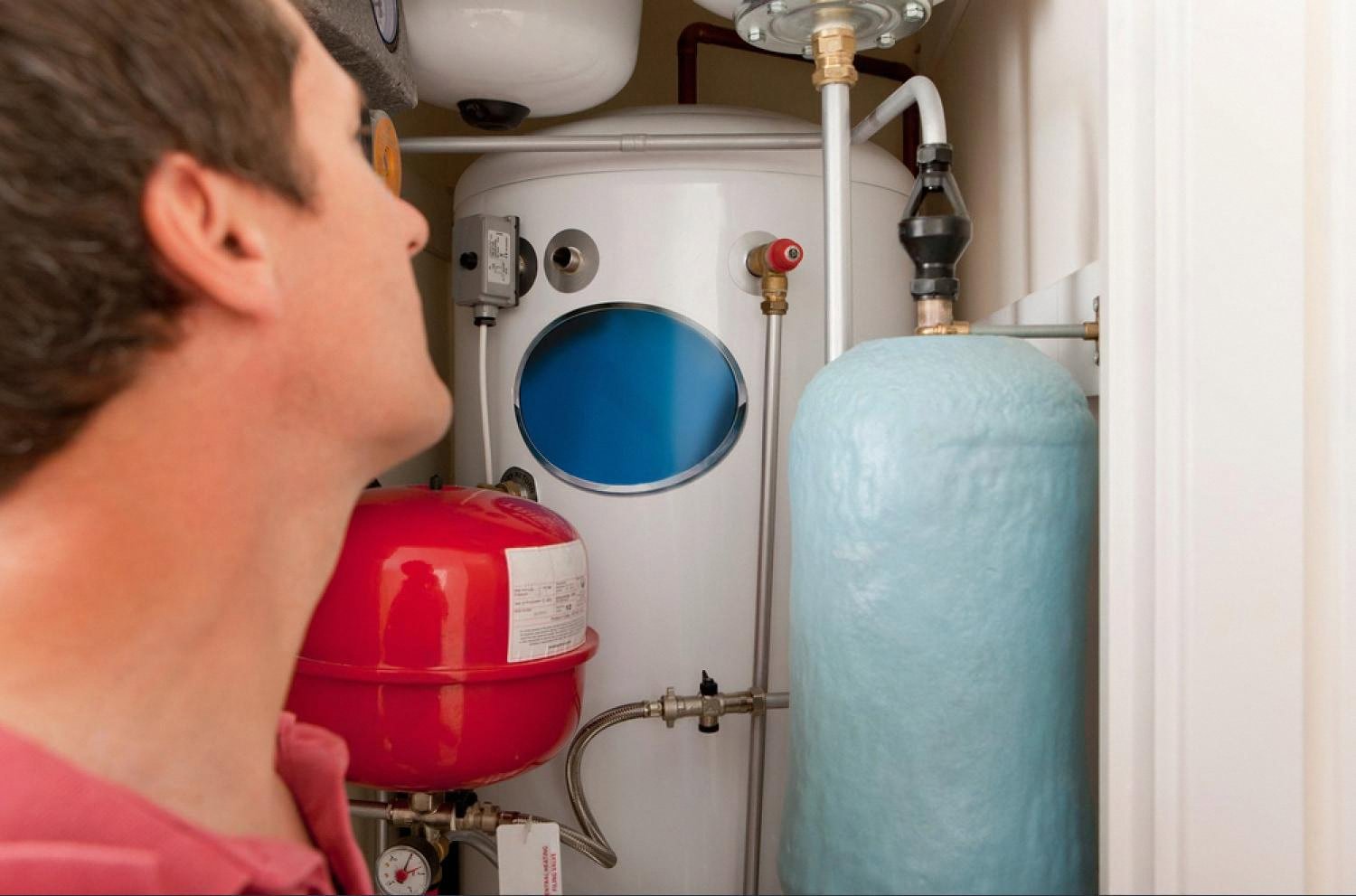
- Water heatersdrain and inspect the anode rod every 2 years, replace the unit at around 8 to 10 years.
- Angle valves behind the toilet, replace when they seize, a stuck valve is useless in an emergency.
Real emergencies
Burst pipes and the flat below yours
A burst pipe or a cracked tap body is the one situation where every minute matters. In a tower, water travels fast: from your kitchen it can reach the neighbour’s ceiling in twenty to thirty minutes, and once it touches the electrical fittings, the building management will cut power to your riser. That is the moment to stop reading and act.
- Close the main water valve for your apartment. It is usually in the utility cupboard next to the water heater or behind the washing machine.
- Cut power at the distribution board if water is anywhere near a socket, light fixture or the AC unit.
- Call your building’s 24/7 maintenance line first, then a licensed emergency plumber. Building teams can shut the riser for the whole floor if your apartment valve is broken.
- Warn the neighbour below. A knock on the door protects both of you when the insurance forms come out later.
- Photograph everything before you start mopping, insurers ask for it.
According to the general classification of water damage clean-water leaks caught within the first hour cost a fraction of what the same leak costs after 24 hours, when materials swell and mould begins to form.
The decision sequence at a glance
- Identify the fixture. Is it one sink, or several? One room, or the whole apartment?
- Try the two-minute fix. Plunger, hot water, cleared strainer, refilled floor trap.
- Check for pressure or smell. Weak flow across the flat and sewer odour point to shared building issues.
- Book a scheduled plumber for drips, slow drains and planned replacements within a few days.
- Call emergency service the moment water is uncontrolled, spreading, or near electrics.
Quick reference: symptom, urgency, who to call
| Symptom | Urgency | Who to call |
|---|---|---|
| Dripping tap | This week | Regular plumber |
| Slow single drain | Within 2-3 days | Regular plumber |
| Multiple drains backing up | Same day | Building maintenance + plumber |
| Persistent sewer smell | Same week | Plumber, then building if unresolved |
| Damp patch on ceiling or wall | Within 24 hours | Plumber + notify neighbour |
| Water heater leaking from base | Immediate | Emergency plumber |
| Burst pipe, uncontrolled flow | Immediate | Shut valve, building 24/7 line, emergency plumber |
| Water near electrical fittings | Immediate | Cut power first, then emergency plumber |
Plumbing problems get expensive not because pipes are complicated, but because people wait. If you catch a slow drain on Friday, it is a routine call. If you leave it until the toilet overflows on Sunday night, it is an emergency, an insurance file, and an awkward conversation with the neighbour downstairs. The rule of thumb is simple: fix small things on your own schedule, and never let a leak sleep overnight.
Frequently asked questions
How much does a home plumber visit usually cost in the UAE?
A standard call-out for a routine job like unblocking a sink, replacing a mixer tap, or fixing a running toilet typically starts from around AED 150 to AED 300, depending on the emirate and whether parts are included. Emergency call-outs after hours or on public holidays cost more.
Always ask for a written quote before work begins and confirm whether the price covers parts, labour and warranty.
Can I use chemical drain cleaners in a Dubai apartment?
It is better to avoid them. Many UAE apartment blocks use thin PVC waste pipes that can be damaged by strong acids or caustic soda, especially at joints. If the chemical does not clear the blockage, it also sits in the pipe and can splash back on the plumber who opens the trap.
A plunger, hot water and, if needed, a professional drain snake are safer for both the plumbing and the people fixing it.
My kitchen sink smells like sewage. What should I do first?
Pour a full jug of clean water into every floor drain in the kitchen and nearby bathrooms. Dried-out water seals in floor traps are the most common cause of sewer smell in UAE homes, especially in guest bathrooms that go unused during the summer travel months.
If the smell returns within a day or two, the seal is not the problem. Book a plumber to check the trap under the sink and the connection behind the washing machine.
Who pays for a plumbing leak, the tenant or the landlord?
In most UAE tenancy contracts, minor repairs under a certain amount (often AED 500 or AED 1,000) are the tenant’s responsibility, and larger structural or hidden-pipe issues fall to the landlord. Read your Ejari contract before you call anyone, the clause is almost always there.
If a leak causes damage to the flat below, liability usually depends on whether the source was a fixture (tenant fittings) or a building pipe inside the wall (landlord or owners’ association).
How often should water heaters be serviced in the UAE?
A good rule is a full inspection every two years and a drain-and-flush once a year, because UAE tap water is hard and mineral sediment builds up quickly inside the tank. Most residential water heaters last 8 to 10 years before the anode rod fails and rust starts to weaken the tank wall.
If you see any water pooling under the heater, replace the unit rather than patch it, a tank failure at 3 a.m. is one of the messiest emergencies a home can have.
When should I call an emergency plumber instead of waiting until morning?
Call emergency service any time water is flowing and you cannot stop it at a valve, any time water reaches or is close to electrical fittings, and any time the flat below yours is affected. In those cases the cost of waiting rises by the minute.
For a dripping tap or a slow drain, a next-day booking is fine and usually cheaper.
Is it worth signing an annual home maintenance contract?
For most UAE villas and larger apartments, yes. An annual contract typically covers AC servicing, plumbing checks, electrical inspection and minor repairs at a fixed monthly or yearly rate. The plumbing part alone tends to pay for itself the first time it catches a slow leak under a sink or a failing flexible hose.
For a studio or small one-bedroom, pay-per-visit is often more economical if you already know a reliable plumber.

Biker, risk-taker, record lover, reclaimed wood collector and TDC honorary member. Acting at the crossroads of minimalism and elegance to craft an inspiring, compelling and authentic brand narrative. I’m a designer and this is my work.