
Cavities are one of the most common health issues among children, and the UAE is no exception. Surveys of school-age kids across the Emirates consistently show that tooth decay affects a majority of children before they reach their teens, often quietly, until a toothache announces itself at the worst possible moment. The good news: almost all of it is preventable. Not with expensive treatments or complicated routines, just with a handful of small habits repeated every single day.
This guide walks through the everyday choices that actually move the needle: how you brush, when you floss, what you serve at snack time, and the small parenting behaviours that turn oral care into a habit your child keeps for life. None of it requires a perfect home. It just requires showing up, twice a day, with a soft-bristled brush and a bit of patience.
The foundation
Brushing morning and night, without skipping
Twice-daily brushing is the single most effective habit for protecting a child’s teeth. Morning brushing clears away the bacteria and plaque that build up overnight, when saliva flow drops and the mouth becomes an easier place for decay-causing microbes to settle. Evening brushing is even more important: it removes the day’s food debris and sugars before bed, so nothing sits fermenting on tooth enamel for eight hours while your child sleeps.
For children under three, use a rice-grain-sized smear of fluoride toothpaste. From ages three to six, a pea-sized amount is enough. Brush for a full two minutes, covering the outer, inner and chewing surfaces of every tooth, and don’t rinse aggressively afterwards, a light spit lets the fluoride keep working. According to the World Health Organization fluoride toothpaste remains the most cost-effective way to prevent decay worldwide.
Younger children need supervision. Most kids don’t have the motor skills to brush thoroughly on their own until around age seven or eight. Until then, either brush for them or brush alongside them and finish the job.
Flossing: start the day teeth begin to touch
Parents often assume flossing is only for adults, but the moment two of your child’s teeth touch each other, a toothbrush can no longer reach the surfaces between them. That is exactly where cavities love to form, hidden between the molars where sugar and bacteria collect undisturbed.
You don’t need to fight with regular string floss on a wriggling four-year-old. Kid-friendly floss picks with small handles make the job faster and much less frustrating for everyone. Aim to floss once a day, ideally before the evening brush, so anything you dislodge gets swept away with the toothpaste.
- Start flossing as soon as two adjacent baby teeth make contact, usually between ages two and three.
- Use disposable floss picks designed for children, they are easier to angle in a small mouth.
- Be gentle at the gumline, a shallow C-shape around each tooth is enough.
- Make it part of the bedtime routine so it becomes automatic, not a negotiation.
Smarter snacks between meals
What a child eats between meals matters as much as what they eat at the table. Frequent snacking on sugary or starchy foods keeps the mouth in a constant acidic state, giving enamel almost no time to recover. The fix isn’t to ban snacks, it’s to swap the worst offenders for tooth-friendly alternatives that fit into everyday UAE life.
- Cheese. Naturally low in sugar and rich in calcium and casein, cheese helps neutralise acid in the mouth and re-mineralise enamel. A small cube of laughing cow, halloumi or cheddar after a meal is genuinely protective.
- Yogurt. Plain, unsweetened yogurt delivers calcium and beneficial bacteria that compete with the ones that cause cavities. Watch the label, flavoured children’s yogurts sold in most UAE supermarkets can carry as much sugar as a soft drink.
- Fresh fruit. Apples, pears and strawberries stimulate saliva flow, which is the mouth’s own defence system. Whole fruit is far better than juice, which concentrates sugar and strips out the fibre.
- Vegetables. Carrot sticks, cucumber, and bell pepper strips are crunchy enough to gently clean tooth surfaces while your child chews. Pair them with hummus for a filling after-school snack.
Sticky sweets, dried fruit, biscuits and fruit-flavoured drinks are the biggest culprits behind childhood cavities. If your child does have something sugary, serve it with a meal rather than on its own, and offer water afterwards to rinse the mouth.
Replace the toothbrush every three to four months
A tired toothbrush cleans poorly. As bristles bend and splay, they lose the ability to reach into the tiny grooves on a molar where plaque loves to hide. Most dentists, including the American Dental Association recommend swapping brushes every three to four months, or sooner if the bristles look visibly frayed.
Children can be tougher on brushes than adults, chewing on them, dropping them, mashing the bristles. A good rule of thumb in the UAE climate: change the brush at the start of each school term, and again after any illness like flu or a stomach bug, since bacteria can linger on used bristles.
- Soft bristles only. Medium and hard brushes damage young enamel and irritate gums.
- Small head. A compact brush head reaches back molars, which is exactly where most cavities appear.
- Store upright, air-dried. Leaving a brush in a sealed container keeps it damp and encourages bacterial growth.
- Never share. Even siblings should have their own colour-coded brushes.
The parent effect
Kids copy what they see, not what they’re told
If you want a child to brush without a battle every night, the most powerful move is to let them watch you do it first. Children who see their parents brushing and flossing daily are dramatically more likely to keep those habits into adulthood. Nagging works for a week. Modelling works for a lifetime.
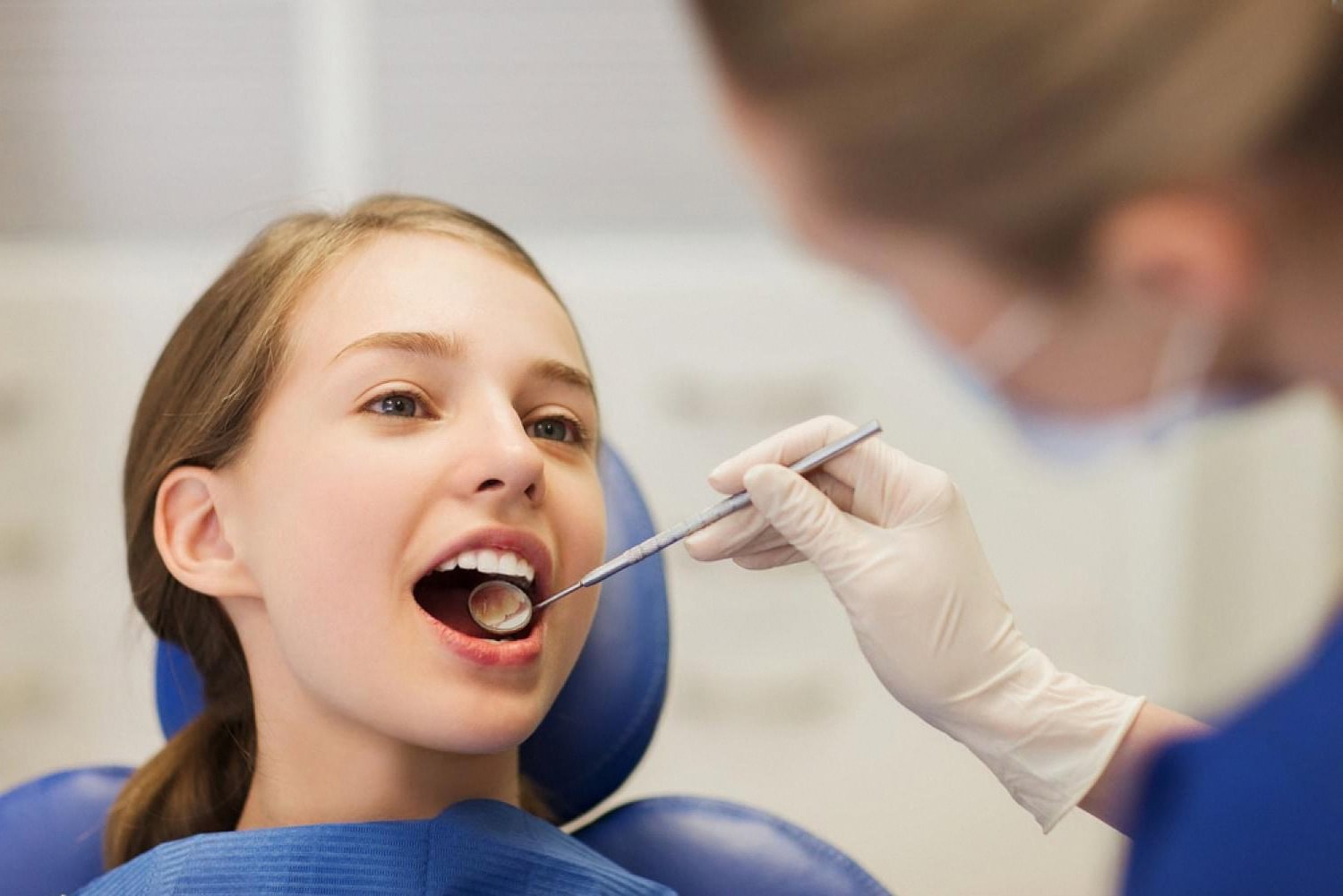
Brush together in the morning. Floss in front of them at night. Talk about your own dental appointments as normal, non-scary events. When a routine checkup is due, book yours around the same time as theirs so the whole family goes together. For families in Dubai, Abu Dhabi and Sharjah, pairing regular hygiene visits with age-appropriate children’s dental services makes it easy to keep an eye on developing bites and catch cavities early, before they need drilling.
Praise effort, not perfection. A child who feels good about brushing will keep doing it. A child who feels criticised will hide the brush behind the sink.
Putting it all together
None of these habits are complicated on their own. Brushing twice a day, flossing at bedtime, choosing cheese over crisps, replacing the toothbrush at the school-term mark, and letting your child watch you do the same. The magic is in the repetition.
Cavities don’t appear overnight, and neither do healthy smiles. Every small decision, the water instead of the juice, the two extra minutes at the sink, the family trip to the dental clinic, stacks up. By the time your child is old enough to take over their own routine, the habits will already feel like theirs.
Frequently asked questions
At what age should I start brushing my child’s teeth?
Start as soon as the first tooth appears, usually around six months. Use a soft infant brush or a clean damp cloth with a rice-grain smear of fluoride toothpaste. Consistency from the very beginning matters far more than technique at this age.
Is fluoride toothpaste safe for young children?
Yes, in the right amount. For children under three, use a smear the size of a grain of rice. From three to six years, a pea-sized amount is appropriate. Supervise brushing so your child doesn’t swallow large quantities, and teach them to spit rather than rinse heavily.
How often should my child see a dentist in the UAE?
Every six months is the general recommendation for healthy children. The first visit should happen by the child’s first birthday or within six months of the first tooth appearing. Regular visits let the dentist spot early decay, apply protective sealants, and give personalised advice based on your child’s diet and habits.
Do baby teeth really matter if they’re going to fall out anyway?
They matter a great deal. Baby teeth guide the permanent teeth into position, help with speech development, and let a child chew a full range of foods. Cavities in baby teeth can also cause pain, infection, and damage to the developing adult tooth underneath. Losing baby teeth too early often leads to crowding and orthodontic problems later.
What should I do if my child refuses to brush?
Turn it into a shared, low-pressure activity rather than a fight. Brush together in front of the mirror, play a two-minute song, or let your child pick their own brush and toothpaste flavour. Younger children often respond well to a brushing chart with stickers. If refusal continues, mention it at the next dental visit, sometimes an underlying sensitivity is the real cause.
Are electric toothbrushes better than manual ones for kids?
Electric brushes can be more effective, especially for children who struggle with the wrist motion needed for good manual brushing. Many models have built-in timers that make hitting the two-minute mark easier. That said, a well-used manual brush is still perfectly fine. The best brush is the one your child will actually use twice a day.
Can drinking water help prevent cavities?
Yes. Water rinses away food particles and sugar, helps maintain saliva flow, and, when it contains fluoride, actively strengthens tooth enamel. Encourage water between meals instead of juice, flavoured milk, or soft drinks. It’s the simplest, cheapest dental habit you can build.

Biker, risk-taker, record lover, reclaimed wood collector and TDC honorary member. Acting at the crossroads of minimalism and elegance to craft an inspiring, compelling and authentic brand narrative. I’m a designer and this is my work.